

Protect your business email from sophisticated threats – including phishing attacks, ransomware, and business email compromise (BEC)
Businesses that need to separate guest Wi-Fi, voice traffic, and connected devices can explore our VLAN network segmentation services for Austin networks.
Call us now for a free consultation .
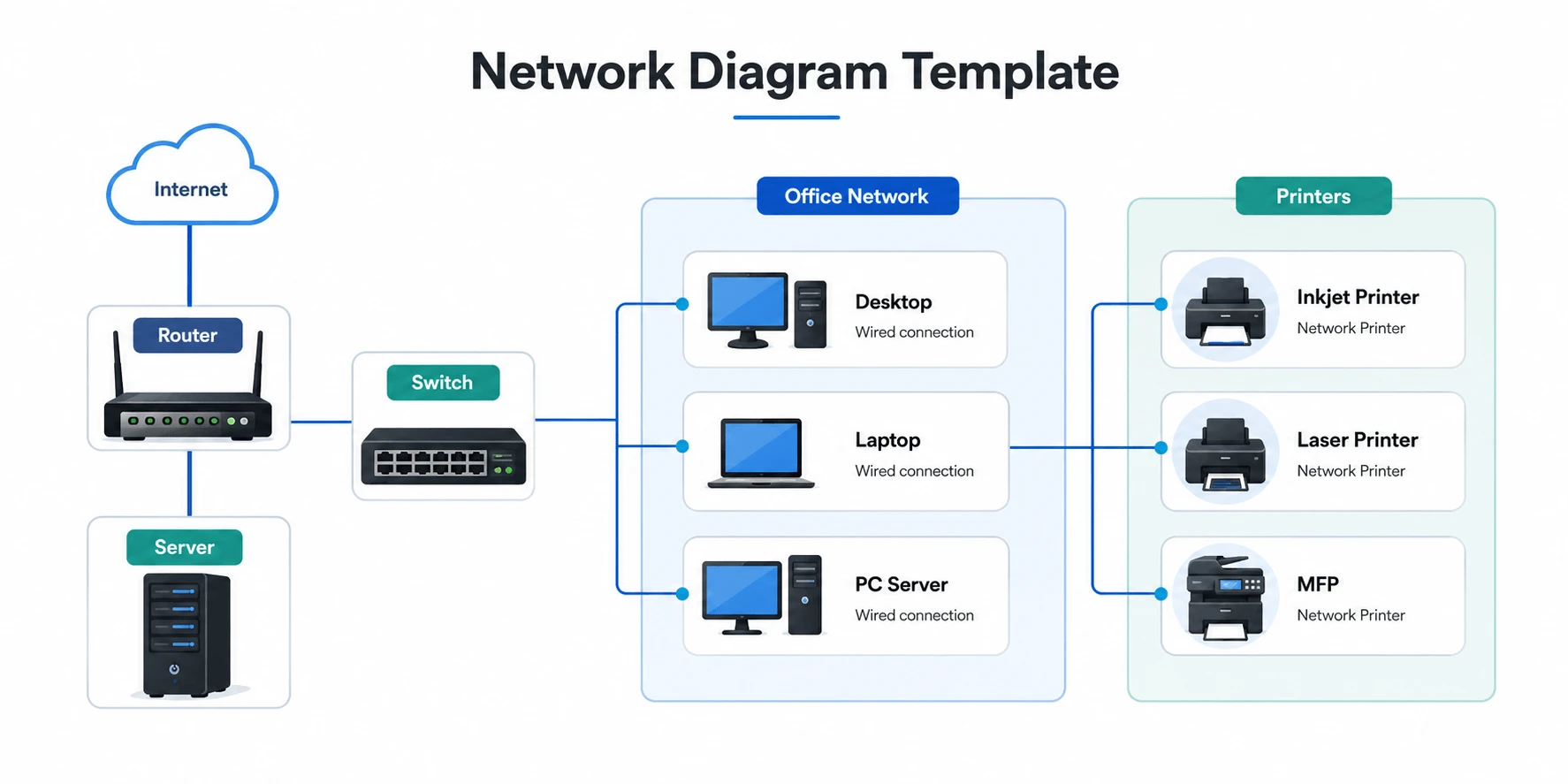
Business Communication Solutions (BCS) helps businesses in Austin organize and secure their network infrastructure through network switch configuration and VLAN segmentation. Separating devices and network traffic can help businesses manage access between guest Wi-Fi, VoIP phones, security cameras, and internal business systems.
Businesses that need separate network segments and better control over device communication can explore our VLAN security configuration services in Austin.
Depending on the existing network equipment and business requirements, network switch security may include VLAN configuration, access control policies, port security settings, and coordination with firewall rules.
Network Traffic Segmentation: Separate guest Wi-Fi, voice traffic, security devices, and business systems into appropriate VLANs.
Managed Switch Configuration: Configure compatible network switches to support the required VLANs, access policies, and traffic management.
Access Control and Firewall Integration: Apply suitable network access restrictions and firewall policies to control communication between network segments.
Network Stability: Review switch configurations and supported loop-prevention features to help reduce network disruptions.
For businesses looking to manage communication between network segments, our network switch and VLAN security services can complement their firewall and router security setup.
BCS can assess your existing network setup and discuss suitable network switch and VLAN security options for your Austin business.
VLAN segmentation divides a physical network into separate logical networks. It can help businesses separate guest Wi-Fi, voice traffic, security devices, and internal systems to improve network organization and access control.
A dedicated voice VLAN, combined with suitable Quality of Service (QoS) settings, can help prioritize voice traffic. Actual call quality also depends on bandwidth, network equipment, and configuration.
802.1X is a network access control standard that authenticates devices or users before granting network access. Implementation generally requires compatible switches and an authentication service, such as a RADIUS server.
Yes. Properly configured VLANs can separate cameras, printers, access control devices, and other IoT equipment from business systems. Firewall rules may also be needed to restrict communication between networks.
Switch features such as Spanning Tree Protocol (STP), Rapid Spanning Tree Protocol (RSTP), and suitable loop-protection settings can help prevent network loops from disrupting connectivity.
Yes. Compatible switches can use IEEE 802.1Q VLAN tagging and trunk links to carry traffic for multiple VLANs between switches. VLANs and security policies must be configured consistently across the network.
VLAN segmentation can support network isolation and access-control measures relevant to HIPAA and PCI DSS. However, VLANs alone do not establish compliance; businesses must meet all applicable requirements for their environment.