

Home Run Data Cable Wiring for a restaurant

Home run data cable wiring for a restaurant involves running a single, central data cable from a main network hub to various devices across the restaurant, such as POS systems, computers, and security cameras. This setup ensures a reliable, organized, and efficient data connection throughout the facility, supporting smooth operations and strong network performance. It’s a crucial part of establishing a well-connected infrastructure for the restaurant’s daily operations. A customer called us to do some home run wiring for their restaurant. It was an older building and having data cable was not in the original build. The customer had over 5 switches throughout the building. These switches took up space, outlets, and just became an issue when these switches would accidently lose power with the amount of traffic that happens during rush hour. We upgraded their main original 8 port switch to a 24 port and gave every device its own dedicated line. By doing so, this eliminated every other switch throughout the building, removing unnecessary power strip, and freeing up outlets for other devices. Now the customer doesn’t have to worry about those extra network switches causing an outage and impacting their business. It also makes it easier to troubleshoot or guide a customer through what to do when a network devices doesn’t work. If you have a business that little hub and switches all over the office, you know what we are talking about. If the problems is enough to frustrate you, give us a call. Let us help with a data cabling clean up job. Related Guides Professional Voice and Data Cabling Services Why Professional Data Cabling Boosts Business Efficiency How to Select the Best Voice and Data Cable Installer Cable Management Best Practices for a Clean Workspace Low Voltage Wiring Solutions for Businesses Elevate Your Connectivity with Wireless Networking Services How to Choose the Best Security Camera System for Your Home or Business Managed IT Services: The Complete Austin Guide
NEC SL2100

Last week, I’ve ran into an issue with VOIP busy signal. After troubleshooting, I’ve realized that the system has run out of voip channel resource. The system was configure for 8 sip trunks and 10 voip phones. We had configure this system with the SL2100 Main Chassis / CPU combo package (0x0x0). By default, it comes with 8 VOIP channels. Each VOIP phone uses a channel and each sip trunk uses a channel. In short, if you needs 8 sip trunks, make sure you have double the amount of channels which is 16 voip channels allocated for the system. Related Guides How to Choose the Right Business Phone System Selecting the Right VoIP Phone Service for Your Business Affordable VoIP Phone Systems in Austin VoIP Quality of Service (QoS) Improvements Benefits of Call Recording for Business Communications Allworx Interact Integration with Google Chrome and Firefox Voice Cabling Services for Business Phone Systems Professional Voice and Data Cabling Services
Cloud Security

From a simple cloud-only to a complex multi-cloud environment, Fortinet provides network security solutions that work effectively. They have their own home data center that provides dependable cloud security to a lot of leading cloud providers. Fortinet cloud security’s primary strategy is to optimize the use of any application without causing any threat to the system. When using the cloud, both vendor and customer have shared responsibility. Knowing that some vendors have minor securities having the most reliable security solutions is necessary. Fortinet is one of the most reliable cloud security in accessing, networking, and data application. Related Guides Protecting Your Business: The Vital Role of Cybersecurity in Managed IT Endpoint Security: Protect Every Device on Your Network Is Your Business Network Secure? 12 Warning Signs You Need Professional Network Security Services Managed IT Services: The Complete Austin Guide Supporting All 7 OSI Layers with Managed IT Services Why Professional Data Cabling Boosts Business Efficiency Elevate Your Connectivity with Wireless Networking Services BCS Smart Hands Services
How Fiber Optic Installation can transform your Business Connectivity
In Austin, businesses of all sizes are looking for ways to improve their internet connectivity. With the city’s growing tech scene, it’s more important than ever to have fast, reliable, and secure internet that can support everything from cloud-based software to video conferencing and remote work. Fiber optic installation is the solution that many Austin businesses are turning to, and in this blog, we will discuss: How fiber optic installation works and its benefits. How it can boost business productivity with faster internet speeds. Why fiber optics offer a more secure and scalable solution compared to traditional broadband. The long-term benefits of choosing fiber optic maintenance and fiber optic repair services. By the end of this blog, you’ll understand why fiber optics are transforming business connectivity in Austin and how your business can benefit from this technology. What is Fiber Optic Installation and How Does it Work? Fiber optic installation is the process of setting up fiber optic cables, which use light signals to transmit data at very high speeds. These cables are made of thin strands of glass or plastic that carry information over long distances without losing quality. Unlike traditional copper cables used in older systems, fiber optics offer faster speeds, better reliability, and greater security. In fiber optic systems, data travels as light signals, which is why it can travel much faster and further than electrical signals used in copper wiring. In Austin, fiber optic installation is becoming increasingly popular because it provides the fast internet speeds businesses need to stay competitive. Whether you’re running a small business or a large tech company, fiber optics can handle the demands of your business, offering a future-proof solution that scales with your growth. Key Benefits of Fiber Optic Installation for Austin Businesses Faster Internet Speeds One of the biggest advantages of fiber optic installation is the speed. Fiber optics provide much faster upload and download speeds than traditional copper cables, which means your business can access files, share documents, and run cloud-based applications more quickly. With fiber optics, you won’t have to worry about slow connections during important video calls or data transfers. Reliability and Stability Fiber optics are less affected by interference from weather, distance, or electrical signals. This makes them far more reliable than older broadband systems. For businesses in Austin, where uninterrupted service is crucial, fiber optic technology ensures your team stays connected even during busy times. Security Fiber optics offer enhanced security for your business. Unlike copper wires, which can be tapped into easily, fiber optic cables are much harder to intercept. This means your data is better protected from cyber threats, making fiber optics a secure choice for businesses dealing with sensitive information. Scalability As your business grows, your internet needs will grow too. Fiber optic installation is scalable, which means you can increase your bandwidth without replacing the entire system. Whether you’re adding more employees or expanding your services, fiber optics can grow with your business. Cost Efficiency While the initial cost of fiber optic installation can be higher than traditional internet connections, it pays off in the long run. The increased speed, reliability, and security mean fewer problems and repairs. Plus, fiber optic maintenance is usually less costly than maintaining older broadband systems. How Fiber Optic Installation Enhances Business Productivity and Performance With fiber optic installation, your business can see a significant improvement in performance. The faster speeds and more reliable connection mean that employees can get more done in less time. Whether it’s downloading large files, using cloud applications, or attending video conferences, fiber optics provide the necessary bandwidth to handle high-demand tasks smoothly. Additionally, fiber optic installation supports modern business operations like remote work and hybrid teams. In Austin, where many businesses are embracing a mix of office and remote work, fiber optics ensure that everyone stays connected and productive no matter where they are located. The Role of Fiber Optic Installation in Austin’s Tech Landscape Austin is known for its tech industry, with a growing number of startups and established companies driving innovation. As these businesses rely on digital tools and cloud services, the need for fiber optic installation grows. Fiber optics allow businesses to keep up with the increasing demand for data transfer, remote access, and high-speed internet. From tech startups in East Austin to large enterprises downtown, every business can benefit from the speed and reliability of fiber optic solutions. Whether you need to run data-heavy applications, support remote workers, or stay competitive in a fast-paced market, fiber optics offer the support you need to succeed. Common Challenges in Fiber Optic Installation and How to Overcome Them While fiber optic installation offers many benefits, there are a few challenges to keep in mind: Installation Time Installing fiber optic cables can take some time, especially in buildings that don’t already have the necessary infrastructure. However, it’s important to plan ahead and work with an experienced fiber optic installation provider to minimize any disruptions to your business. Cost Concerns The initial setup cost of fiber optic installation may be higher than other options, but the long-term benefits make it a worthwhile investment. Plus, the maintenance costs for fiber optics are generally lower over time. Maintenance Needs Like any technology, fiber optic networks require regular maintenance to keep them running smoothly. Having a plan for fiber optic maintenance will help prevent any potential issues and keep your business connected without interruptions. Fiber Optic Repair Services Even with fiber optics, problems can arise. Having access to fiber optic repair services ensures that any issues are addressed quickly to avoid downtime. How to Choose the Right Fiber Optic Installation Provider in Austin Choosing the right fiber optic installation provider is crucial to ensuring your network runs smoothly. Look for a provider with experience in fiber optic solutions and a good track record of customer satisfaction. Check for certifications from reputable organizations like CompTIA or Cisco, and make sure they offer fiber optic maintenance and repair services. Additionally, it’s a good idea
Labeling Cables

Labeling Cables involves the process of marking electrical or network cables with identifying labels or tags to simplify organization, troubleshooting, and maintenance. It helps in quickly identifying the purpose, source, or destination of cables, reducing the time spent locating specific connections, and avoiding mistakes when working with complex setups. Proper cable labeling is essential in businesses, data centers, and home setups to maintain a clean, efficient, and easily manageable infrastructure. When installing multiple cable, it’s important to label each one. Labeling each cable will help with locating and testing without any confusion. This will cut your time on site and be organize for any maintenance in the future. If cables are being ran to a new construction area, make sure that your label is eligible and protected so that it won’t be lost or cover by building material (debris, paint, etc.). Related Guides Professional Voice and Data Cabling Services Why Professional Data Cabling Boosts Business Efficiency How to Select the Best Voice and Data Cable Installer Cable Management Best Practices for a Clean Workspace How Poor Data Cabling Affects Network Speed and Stability Low Voltage Wiring Solutions for Businesses Home Run Data Cable Wiring for a Restaurant Managed IT Services: The Complete Austin Guide
REPLACING AP WITH A ROUTER
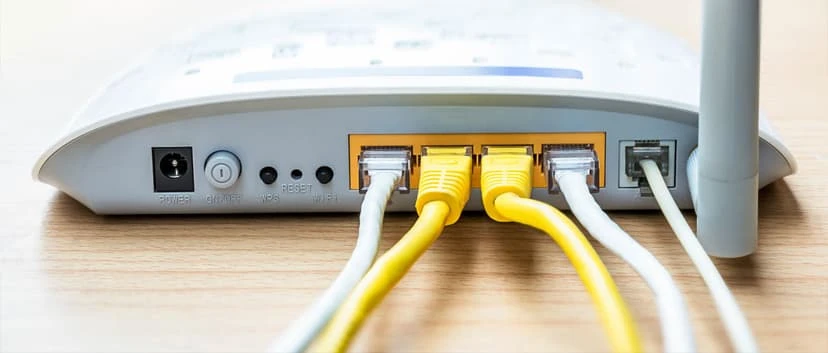
When upgrading or expanding a network, replacing an Access Point (AP) with a router can enhance functionality. A router not only provides wireless connectivity like an AP but also manages network traffic, assigns IP addresses, and connects your local network to the internet. This change helps improve performance, simplifies network management, and allows for additional features like guest networks, security settings, and better coverage. A service was called to troubleshoot an AP issue. The AP device is no longer functional. The customer wasn’t interested in purchasing a new one but instead handed us a Linksys Wifi Router to replace the AP. We went ahead and assign the router IP with an unused static IP in their network. We were able to use the router as an AP which brought back their Wifi signal in the area. Related Guides Elevate Your Connectivity with Wireless Networking Services Enhancing Wi-Fi Performance: Bringing Access Points Closer to Users Why Your Network Is Only as Fast as Its Slowest Device Bandwidth Planning: How Many Users Can Your Network Support? Managed IT Services: The Complete Austin Guide Supporting All 7 OSI Layers with Managed IT Services Why Professional Data Cabling Boosts Business Efficiency How Fiber Optic Installation Can Transform Your Business Connectivity
Best Managed IT Services in Austin
Austin is no longer just the “Live Music Capital of the World.” It’s a booming hub for tech startups, small businesses, creative agencies, and enterprise-level organizations. With so much innovation comes an equally pressing demand: reliable IT infrastructure. That’s where managed IT services come in. Whether you’re a small retail shop needing affordable IT support or a fast-scaling SaaS company requiring enterprise-level solutions, the best managed IT services in Austin can help you run smoother, safer, and smarter. In this guide, we’ll break down what managed IT services really mean in 2025, why they matter to Austin businesses, and how to choose the right provider for your needs. What Are Managed IT Services? At its simplest, managed IT services mean outsourcing part (or all) of your IT operations to a specialized provider. Instead of hiring a large in-house team, you get access to outsourced IT services in Austin that cover everything from help desk support and cloud migration to cybersecurity services and network management. Think of it like having a 24/7 IT department without the overhead. Providers deliver ongoing remote IT support in Austin, monitor your systems proactively, and step in before small glitches turn into big problems. Why They Matter for Austin Businesses in 2025 Austin’s business scene is unique: explosive growth, heavy tech competition, and industries with strict compliance standards (like healthcare, finance, and energy). In 2025, three major trends are shaping the demand for business IT solutions in Austin: Cybersecurity threats are sharper than ever.Local businesses need stronger defenses against ransomware and phishing. Hybrid work is here to stay.From South Congress coffee shops to home offices in Round Rock, employees expect secure, seamless IT access. Scalability matters.With companies scaling quickly in Austin’s ecosystem, IT has to keep up without breaking the budget. Key Benefits of Managed IT Services Cost Savings & Predictable IT Expenses Managed services convert surprise IT costs into predictable monthly expenses. Instead of paying thousands for emergency fixes, you invest in affordable managed IT services with a flat-rate model. 24/7 Monitoring & Proactive Support Downtime in 2025 isn’t just inconvenient. It’s costly! With 24/7 IT support, providers monitor networks around the clock, catching issues before employees even notice. Enhanced Cybersecurity for Local Businesses Cyberattacks don’t discriminate. From small shops on 6th Street to enterprise HQs downtown, every business needs strong IT security audits and advanced cybersecurity services. Scalability for Growing Austin Companies Austin companies scale fast. Managed IT ensures your network management and cloud services in Austin grow with you, whether you’re hiring five employees or fifty. Core Services Offered by Managed IT Providers Network Management & Support Keeping systems online, reliable, and fast through proactive IT monitoring and infrastructure management. Cloud Solutions & Migration Providers offer cloud services in Austin TX, helping businesses shift workloads safely with cloud migration services. Cybersecurity Services From firewalls to AI-driven IT support in Austin, security is layered and adaptive. Data Backup & Disaster Recovery Critical files are protected through data backup services and disaster recovery planning. IT Consulting & Strategy Expert IT consulting in Austin TX makes sure that your IT roadmap aligns with your business goals. Austin’s Unique IT Challenges & Opportunities Local Business Growth & Tech Demands With more startups per capita than almost anywhere else in Austin, Texas, small business IT services in Austin are in high demand. Compliance Requirements in Texas Industries Healthcare, law, and finance firms need compliance IT services in Texas to meet HIPAA, FINRA, and state-level standards. Supporting Hybrid & Remote Workforces Providers specialize in hybrid workforce IT solutions in Austin, making it seamless to collaborate from anywhere. How to Choose the Best Managed IT Service Provider in Austin Evaluating Experience & Certifications Look for Texas managed service companies with a proven track record, plus certifications like Microsoft, Cisco, or CompTIA. Checking Service Level Agreements (SLAs) Good SLAs guarantee uptime, fast response times, and reliable IT help desk services in Austin. Understanding Pricing Models Pricing can be flat-rate, per-user, or tiered. Ask for transparency. The cheapest isn’t always the best. Client Reviews & Local Reputation Talk to other businesses, especially those in your industry, for referrals on local managed IT providers in Austin. Top Trends in Managed IT for 2025 AI-Driven IT Automation In the Austin area, AI-driven IT support is handling routine tasks like ticketing and patch management, freeing teams to focus on bigger issues. Advanced Threat Detection & Response Providers are investing in machine-learning tools that catch and neutralize cyber threats in real time. Cloud Optimization Strategies Expect more emphasis on fine-tuning costs and performance in cloud services. Integration of IoT Devices in Business IT As offices adopt more connected devices, IT infrastructure management in Austin ensures everything runs securely. Common Mistakes Businesses Make When Choosing an IT Provider Overlooking Security Measures: Weak cybersecurity = high risk. Ignoring Scalability Needs: Outgrowing your provider is a headache. Not Reviewing SLAs Thoroughly: Ambiguous contracts can leave gaps. Choosing Based Solely on Price: The cheapest isn’t always reliable. Cost of Managed IT Services in Austin (2025 Pricing Guide) Average Costs for Small, Medium & Large Businesses Small business IT services in Austin:$100–$250 per user/month. Mid-size businesses:$150–$300 per user/month. Enterprise IT solutions in Austin:Custom pricing, often $200+ per user/month. Factors Affecting Pricing Number of users and devices Level of cybersecurity services in Austin included On-site vs. remote IT support in Austin Contract flexibility and SLAs Questions to Ask Your Potential IT Provider Technical Capabilities Can they handle advanced needs like AI-driven IT support and cloud migration services? Security Measures Do they offer compliance IT services in Texas and regular IT security audits in Austin? Support Availability Is their IT help desk service in Austin available 24/7? Contract Flexibility Do they offer scalable terms for both small businesses and enterprises? Conclusion 2025 is shaping up to be the year Austin businesses double down on IT. With growth accelerating, cyber risks increasing, and hybrid work becoming standard, the best managed IT services in Austin are no longer a luxury, they’re a necessity. Whether
Importance of network security

I remember the old days when internet home user was mostly dial up. We would dial into the internet using a 56k modem or actually 9600 baud rate modem. Yes you heard right, for those of you who still remember, that was still state of the art. I remember, when you wanted to check email or surf the web, you actually had to set aside time to do such thing, as you have to sit in front of a computer that has access to the internet. Nowadays with so much access to high speed internet (business, home, hot spot, cellular, etc). it ‘s not use an option, it’s a necessity. With access to much high speed internet also comes with side effects. This can be malware, spyware, ransomware, virus, pornography, spam, sexual predators, and the lists goes on. With that being said, what are we doing to help keep our office and home safe? There are plenty of options out there, software antivirus, endpoint security, firewalls with content filtering, email spam filtering system, app blocker, IDP, etc. Need help with networks security for your home and business, give us a call, let us help you take away the headache so you can focus on your life. Related Guides Is Your Business Network Secure? 12 Warning Signs You Need Professional Network Security Services Protecting Your Business: The Vital Role of Cybersecurity in Managed IT Endpoint Security: Protect Every Device on Your Network Cloud Security for Modern Businesses Managed IT Services: The Complete Austin Guide Supporting All 7 OSI Layers with Managed IT Services Why Professional Data Cabling Boosts Business Efficiency Best Managed IT Services in Austin
Phone Spoofing

In the last few years, phone spoofing has been getting more and more annoying. It has happen to our clients. It has happen to our personal phones. It has happen to our business. How can we prevent this from happening. The only way I think this would be possible is that every telco service provider has to not allow this from happening. Believe it or not, it’s way more complicated, as lots of these calls are coming from overseas. Maybe the good service provider should start blocking calls from certain service provider that allow this to happen. I’m really hoping one day these calls stops. It is very annoying and disrupt our daily routine and lifestyle. https://www.fcc.gov/consumers/guides/spoofing-and-caller-id There is a link that can help. Best thing we can do is start educating everyone. I know it’s along shot, but if people stop falling victim to scam, then maybe the scam will eventually stop. Related Guides How to Choose the Right Business Phone System Selecting the Right VoIP Phone Service for Your Business VoIP Quality of Service (QoS) Improvements Affordable VoIP Phone Systems in Austin Protecting Your Business: The Vital Role of Cybersecurity in Managed IT Importance of Network Security for Modern Businesses Endpoint Security: Protect Every Device on Your Network Is Your Business Network Secure? 12 Warning Signs You Need Professional Network Security Services
The Most Common Mistakes When Setting Up Security Cameras
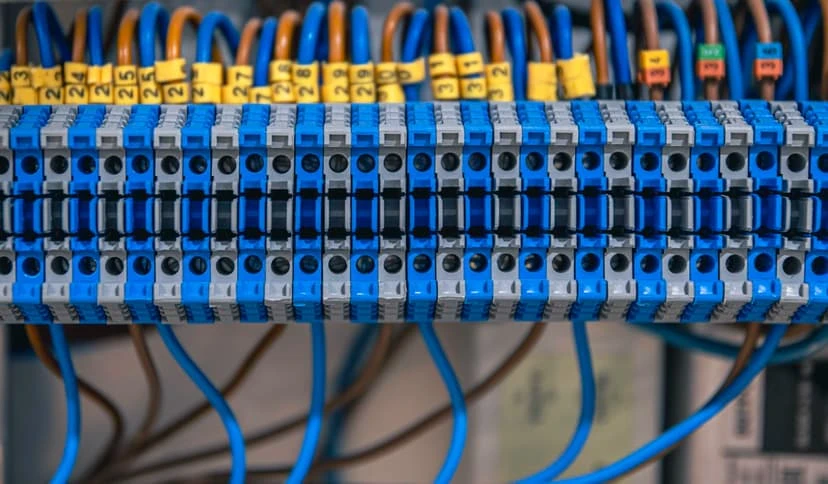
Security cameras play a critical role in safeguarding homes and businesses, offering peace of mind and a proactive approach to potential threats. However, setting them up correctly is crucial to ensuring their functionality and effectiveness. Unfortunately, many people make common mistakes during the installation process, leading to reduced performance and security vulnerabilities. Here are some of the most frequent errors to avoid when installing security cameras. Incorrect Camera Placement One of the most prevalent mistakes is placing security cameras in the wrong locations. Cameras should be positioned to cover all critical areas, such as entrances, exits, and blind spots, while avoiding obstructions like walls or trees. A poorly placed camera may not capture vital footage, defeating the purpose of your security system. Ignoring the Importance of Cabling Many installers underestimate the role of proper cabling in setting up security systems. Using low-quality cables or incorrect connections can result in poor video quality and frequent disruptions. For example, Ethernet cabling in Austin is a reliable option for ensuring stable and efficient connectivity for your security cameras, particularly for larger installations or systems requiring high-resolution footage. Overlooking Weatherproofing and Maintenance Outdoor cameras are exposed to various environmental elements, making weatherproofing essential. Forgetting to use protective enclosures or failing to choose cameras rated for outdoor use can lead to malfunctions. Additionally, neglecting regular maintenance like cleaning lenses or checking for physical damage can reduce the camera’s lifespan and performance. Skipping System Configuration Simply installing cameras is not enough. Failing to configure the system correctly, such as setting appropriate recording schedules or motion detection zones, can compromise security. Ensure the cameras are connected to a robust network, and all settings are optimized for maximum efficiency. Not Considering Professional Installation While DIY installation can save money, it often leads to mistakes that could compromise your security system. Seeking professional services for security camera Austin installations ensures proper setup, optimal placement, and expert guidance tailored to your specific needs. In conclusion, taking the time to understand and avoid these common mistakes is vital for a fully functional and efficient security system. For expert solutions, tailored installations, and comprehensive guidance, consider the services offered by BCS-IP for a seamless and secure setup. Related Guides How to Choose the Best Security Camera System for Your Home or Business The Complete Guide to Business Security Camera Systems Professional Surveillance System Installation Guide Understanding the Different Types of Security Camera Systems for Home and Business Step-by-Step Guide to Installing Security Camera Cabling Top Benefits of Installing Security Cameras Residential vs. Commercial Security Camera Installation: What’s the Difference?